Many couples feel pulled in different directions as they enter retirement. You want to enjoy the life you worked hard to build. You want to support causes you care about. And you want to leave enough for your family.
It’s common to wonder whether spending on yourself means taking something away from someone else. Many couples also carry quieter worries:
- What if we spend too much and one of us is left insecure later?
- What if we give too much and regret it?
- What if we leave a confusing financial picture for our kids to sort out?
These questions sit under the surface for a lot of families. They’re not a sign that something is wrong. They’re a sign that you care about getting this right.
Why This Feels So Hard
Spending, giving, and legacy decisions touch your values. They also bring up worries about security and responsibility. That combination makes the choices feel heavier than they look on paper.
Here is a simple example.
A couple decides between taking the trip they’ve talked about for years or giving more to their church this year. They want to do both. But they’re afraid that spending on themselves now could leave them short later. They are also afraid of being “selfish” if they choose the trip.
Most people in this stage of life feel some version of this tension. Nothing is wrong. You are not behind. You are working through normal questions that matter. And the fact that you are working through these questions shows that you are taking your retirement planning seriously.
A Purpose-First Way to Think About the Tradeoffs
A structured approach brings clarity. Purpose First Planning starts with what matters most to you and then aligns your decisions with those priorities.
1. Clarify what matters most
Because these decisions carry emotional weight, it helps to step back and begin with what matters most. Before you talk about numbers, take time to understand:
- What you want your retirement to look like
- What generosity means to you
- What you want to make possible for your family
This becomes the filter for the decisions that follow.
2. Build a spending plan that protects both spouses
A retirement income plan shows what you can safely spend. It also shows how to protect each spouse if one passes first and how to handle uncertainty.
You do not need complex projections. You do need a clear picture of what your resources can support.
3. Define a giving range that fits your plan
Once you know what you need for your lifestyle, you can see what is available for charitable giving and family gifts. This is not a rigid rule. It gives you a safe, comfortable range.
4. Revisit as life changes
Your comfort will shift over time. Markets move. Family needs evolve. Good planning adjusts with you.
The Timing Question: Give Now or Later
Another challenge is deciding when to give. Both approaches have advantages.
Giving later increases security. You keep resources available if you face a health event, a major expense, or market volatility.
Giving earlier creates more immediate impact. Charities can use the funds now. Children and grandchildren may benefit more earlier in their lives, and you receive the joy of “giving while living” immediately.
There is no perfect answer. You are choosing between two good things. Most families land somewhere in the middle. However, families often choose earlier giving when connection and impact matter most, and later giving when stability and clarity matter most.
How These Choices Affect Each Other
These decisions are connected. It helps to be aware of the basics without getting lost in the details.
Spending affects gifts and legacy
Higher spending reduces what you can give or leave later. That doesn’t mean you should spend less – it means the gift has to fit inside a plan that still protects both spouses. When you can see what your lifestyle costs, it becomes easier to understand what level of giving feels comfortable and what might feel like a stretch.
Gifts to children affect your retirement security
Helping your kids or grandkids during your life can be meaningful, especially if the support comes at a moment when it truly helps them. But those gifts come out of the same resources that protect your retirement. Knowing this connection helps you decide how much and when you can help without sacrificing your own security.
Charitable tools can make giving more efficient
Tools like appreciated securities, Qualified Charitable Distributions, donor-advised funds, or multi-year giving plans can stretch the impact of your gifts. They don’t have to complicate your life – they simply help you support the causes you care about in a way that fits naturally into your financial plan.
These connections matter because they help you see the whole picture. When you understand how spending, family gifts, and charitable giving relate to each other, the decisions feel less like isolated tradeoffs and more like parts of one, coherent plan. That alone reduces a surprising amount of stress.
If you want help seeing how your spending, giving, and legacy decisions fit together, a short conversation can help. Schedule your 20-minute Clarity Call to talk it through.
The Emotional Side: Naming the Feelings That Shape These Decisions
This stage of life brings a mix of hope, responsibility, and worry. Many people feel:
- Guilt about spending on themselves
- Fear of running out of money
- Pressure to leave enough for children
- Worry about leaving a spouse with a financial mess
These are common reactions. Naming them helps you move forward with a clearer head.
These feelings don’t mean something is wrong. They show you care about protecting the people you love and making thoughtful choices. Naming the emotion often makes the financial decision easier.
Working Through These Decisions as a Couple
Most couples do not see these decisions the same way. One partner may lean toward generosity. The other may lean toward caution. Neither is wrong.
Talking through these differences calmly makes a big difference. A few helpful questions:
- What does security mean to each of us?
- What does meaningful generosity look like?
- What would we want the other to do if one of us passes first?
- What are we most afraid of getting wrong?
The goal is not to convince each other. The goal is to build a shared approach that feels right to both of you.
These conversations often help couples feel more aligned, and they reduce the chance of confusion or conflict later.
A Simple Sequence for Finding Your Balance
If you feel overwhelmed, walking through a simple, repeatable sequence can make the decisions feel lighter. Here is a clear, repeatable process you can use:
- Start with your purpose. Including why you are giving.
- Build a spending plan that protects both spouses.
- Define a giving range that fits your plan.
- Decide what makes sense now and what makes sense later.
- Revisit yearly.
You do not need a perfect formula. You need a process that helps you make thoughtful decisions with confidence.
You can adjust this plan as your life changes. Retirement isn’t static, and neither are your giving or spending decisions. A good plan shifts with you.
Clarity Comes From a Steady, Repeatable Process
Balancing spending, giving, and what you hope to leave for family will never feel entirely simple. These decisions touch your values, your hopes for the people you care about, and your need for long-term security. That is why they feel heavier than they look on paper.
Clear decisions and simple instructions are one of the greatest gifts you can leave your family.
A clear process makes the weight more manageable. When you start with what matters most, build a spending plan that protects each spouse, define a giving range within your comfort zone, and revisit those choices over time, the path forward becomes much easier to see. You can enjoy the retirement you worked for without guilt, support the organizations and people you care about, and still create the legacy you want for your family.
You do not have to get every decision perfect. You only need a thoughtful, steady way to make each choice with confidence.
Common Questions
How do I know if my spending is too high for my long-term plan?
A retirement income plan can show what your resources can safely support, including different market environments and the needs of each spouse. You do not need necessarily detailed projections, but you do need a clear view of what your lifestyle, giving, and legacy goals look like together.
Should I give now or concentrate my generosity in my estate?
Both approaches have advantages. Giving now lets you see the impact of your gifts and involve your family. Giving later increases flexibility and can simplify your estate. Most families end up using a mix of both based on their purpose and comfort level.
What if my spouse and I do not see these decisions the same way?
This is very common. One partner may prefer to give more during life, while the other feels more secure saving for future needs. The goal is not to persuade each other. It is to understand what each partner values and find a shared approach that feels fair and comfortable to both of you.
How much can I give without hurting my retirement?
Once you know the spending level your plan can support, it becomes easier to identify a giving range that fits comfortably. This range can change over time. It is normal to revisit giving levels as markets move and family needs evolve.
Is it okay to help my kids or grandkids during my lifetime?
Yes. Many families prefer to support the next generation earlier, when it may be most useful. The key is understanding how lifetime gifts affect your own long-term security. A clear spending plan helps you give in a way that feels generous but still safe.
How often should we revisit these decisions?
A yearly review is usually enough. Life shifts – health changes, family needs evolve, and markets move. Small, steady updates keep your plan aligned with what matters to you.
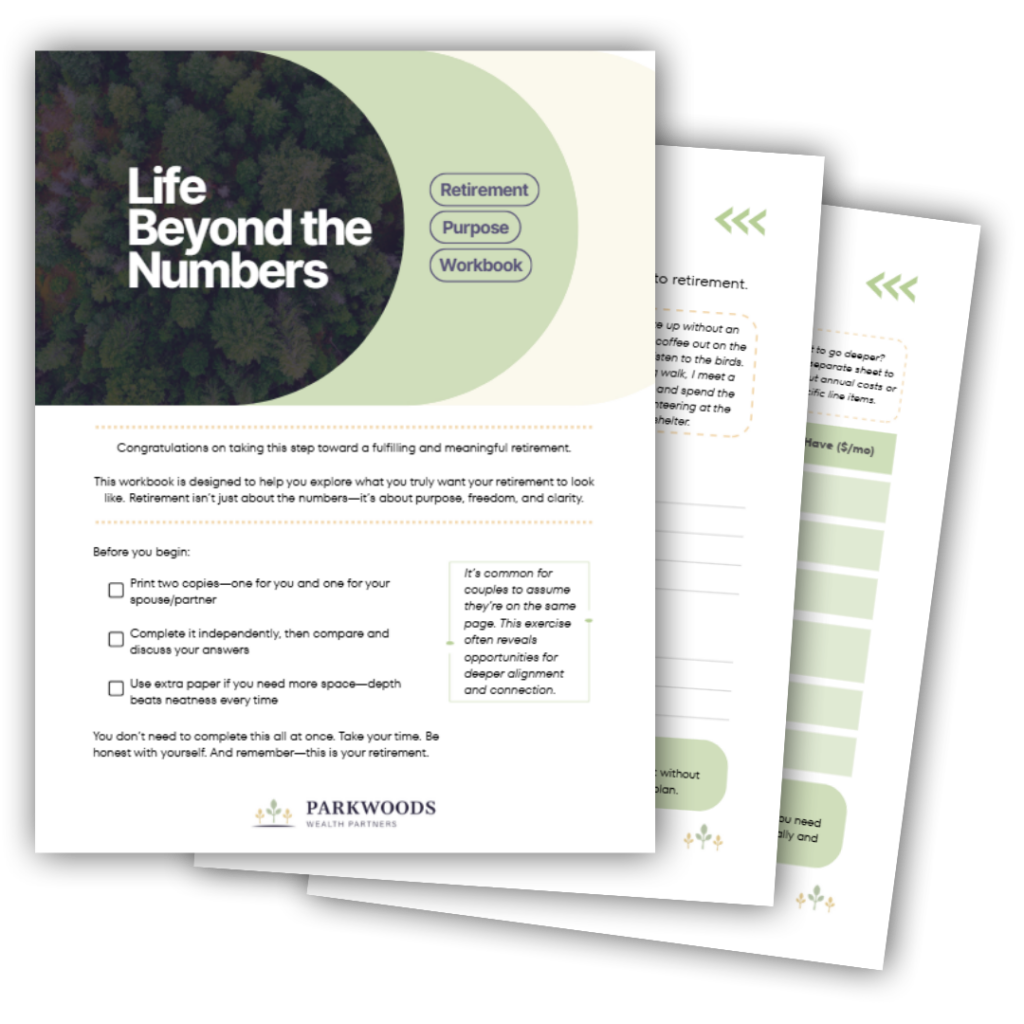
If you want a simple way to think through your values and the causes you care about, our Giving With Purpose workbook can help.